
Some links on this page are affiliate links. If you buy through them, we may earn a commission at no extra cost to you. As an Amazon Associate I earn from qualifying purchases.
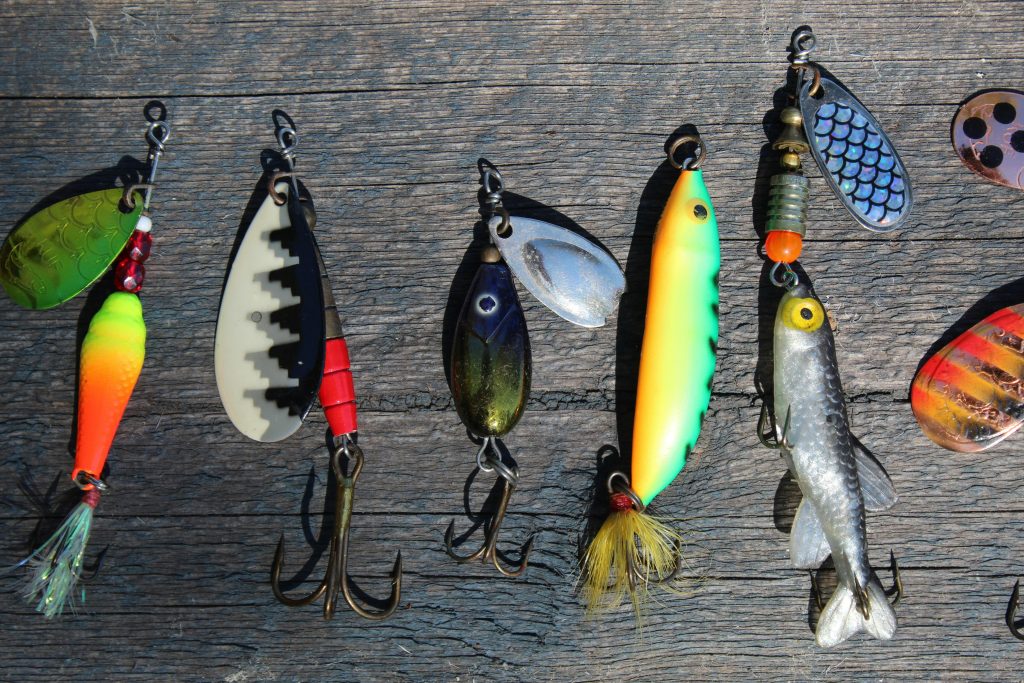
Walk into any tackle shop or open an Amazon search for fishing tackle and you will see thousands of lures, hooks, lines and gadgets. For a beginner, that variety is the biggest problem. It is easy to spend a hundred dollars on gear that sits unused in a box while the same five or six items catch most of the fish. The good news is that you do not need a huge collection to start catching fish. You need a small, well-chosen set of tackle that covers the basics: a way to carry it, a few proven lures, the right hooks, dependable line, and a couple of small tools.
This guide walks through ten fishing tackle products that make sense for a new angler in the United States. Some are classic lures that have caught fish for generations. Others are the unglamorous items, like hooks, split shot and pliers, that quietly decide whether a day on the water goes smoothly. For each one we explain what it does, who it suits, how to use it and what to watch out for.
A quick note on how this list was put together. These picks are based on how each product is designed, how widely it is used by everyday anglers and the information the manufacturers publish. We have not assigned star ratings, because ratings only mean something when you have personally tested a product. Product versions, sizes and packaging change often, so always check the current listing for the exact size, color and quantity before you buy.
Our Quick Picks
| Product | Best for | Type | Link |
|---|---|---|---|
| Plano 3700 StowAway Tackle Box | Keeping everything organized | Storage | Check Price |
| Rapala Original Floating Minnow | Searching for bass, trout and walleye | Hard-body lure | Check Price |
| Mepps Aglia Spinner | Trout, panfish and small bass | Inline spinner | Check Price |
| Acme Kastmaster | Long casts and deeper water | Casting spoon | Check Price |
| Zoom Trick Worm | Bass fishing on a budget | Soft plastic | Check Price |
| Gamakatsu EWG Worm Hooks | Rigging soft plastics weedless | Hooks | Check Price |
| Berkley Trilene XL Monofilament | A forgiving, all-purpose line | Fishing line | Check Price |
| Water Gremlin Removable Split Shot | Adding weight to a rig | Terminal tackle | Check Price |
| Berkley PowerBait Power Eggs | Stocked trout and easy bites | Scented bait | Check Price |
| Piscifun Aluminum Fishing Pliers | Removing hooks and cutting line | Tool | Check Price |
Sizes and pack counts vary by listing, so confirm the details on the current Amazon page before you order.
What Beginners Actually Need in a Tackle Kit
Before the individual products, it helps to understand how a basic kit is organized. Most freshwater fishing in the US, whether it is a farm pond in Ohio, a lake in Texas or a trout stream in Colorado, comes down to four jobs that your tackle has to do.
The first job is to attract fish. Lures like minnow baits, spinners, spoons and soft plastic worms imitate small fish, insects or worms and trigger a bite. The second job is to connect you to the fish. That is the role of hooks, swivels and line. The third job is to put the bait where the fish are, which is where weights and floats come in. The fourth job is to keep everything usable, which means a tackle box, pliers and a way to cut line cleanly.
The ten products below cover all four jobs. They are not the only good choices, but together they make a compact starter kit that works for bass, trout, panfish, walleye and many other common freshwater fish.
1. Plano 3700 StowAway Tackle Box: Best Way to Stay Organized
It is tempting to treat the tackle box as an afterthought, but it is the item that makes everything else usable. A tangle of hooks in a coat pocket costs you time, ruins lures and is a safety problem when you reach in without looking. A box like the Plano 3700 series solves that with removable trays and adjustable dividers, so you can sort hooks, weights, spinners and soft plastics into their own compartments.
Who it is for. Anyone who fishes from the bank, a dock or a small boat and wants everything in one place. The 3700 size is a middle option: large enough to hold a real selection of tackle, small enough that it does not take over the trunk of a car. If you plan to fish with just a few lures, a smaller box is also an option, and many anglers eventually own both.
How to use it. Keep metal hooks and lures apart from soft plastics. Some soft plastic baits contain plasticizers that can melt or stick to hard lures if they are stored together in the same compartment. Give soft baits their own tray or bag. Leave the lid open to air dry at home after a wet day, since moisture trapped in a closed box is what causes hooks to rust.
Things to know. Plano sells several sizes and versions, some of which come pre-filled with tackle and some of which are empty. Check the listing to see what you are getting. Pre-filled boxes can be a quick start, but the assortments inside vary in quality, so treat them as a starting point and replace items as you learn what you actually use.
2. Rapala Original Floating Minnow: Best Classic Lure
The Rapala Original Floating Minnow is one of the best-known lures in fishing. Its design comes from Finland, and its slim body and subtle side-to-side wobble are meant to look like a wounded minnow. That combination of a floating body and a small lip that makes it dive is what makes it versatile. Cast it out, let the ripples settle, and begin a slow retrieve. Pause occasionally and the lure floats back up, which is often when a following fish decides to strike.
Who it is for. Beginners who want one lure that works across many situations. It is a common choice for bass, trout, walleye, pike and other fish that feed on small baitfish. It also works well in shallow water, because it does not sink quickly and snag the bottom.
How to use it. Start with a steady, slow retrieve and vary the speed until you find what the fish want. Twitching the rod tip adds a darting motion. On cold days, slow down even further. In clear water, natural colors like silver or gold on a dark back are a good place to start. In stained water, brighter colors can be easier for fish to see.
Things to know. Minnow lures come in several sizes. A smaller size suits trout and panfish, while a larger size suits bass and pike. If you fish waters with heavy weeds or fallen trees, expect to lose a few. That is part of using any hard-body lure, and it is worth carrying a lure retriever or simply accepting the cost.
3. Mepps Aglia Spinner: Best for Trout and Panfish
Inline spinners are among the simplest lures in fishing. You cast, let the lure sink for a moment, then reel steadily. The blade spins around the shaft, creating flash and vibration that fish notice from a distance. The Mepps Aglia is a well-known example, designed in France and popular with trout anglers across the United States.
Who it is for. New anglers who want a lure that does most of the work. Because the action comes from the blade, you do not need to learn complicated rod movements. That makes spinners excellent for kids and for anyone building confidence on the water.
How to use it. In a stream, cast slightly upstream or across the current and reel just fast enough to keep the blade turning. In a lake or pond, cast beyond a likely spot like a weed edge or dock and reel steadily back. If you feel the blade stop spinning, you are reeling too slowly or the lure has caught something. Try a size that matches the fish you are chasing: smaller for trout and panfish, larger for bass.
Things to know. Spinners can add twist to your line, which causes tangles over time. Tying a small barrel swivel a foot or so above the lure helps reduce twist. Check the hook as well. Many inline spinners come with a treble hook, and if you fish in an area with catch-and-release rules or barbless requirements, you may need to swap it or pinch the barbs down.
4. Acme Kastmaster: Best for Long Casts
The Acme Kastmaster is a small, dense metal spoon that has been a favorite for decades. Its weight and streamlined shape let it travel a long way on a cast, which is a real advantage when you are fishing from shore and the fish are out of reach of lighter lures. When you reel it in, it flashes and wobbles, and when you let it fall, it flutters down like a dying baitfish.
Who it is for. Shore anglers, anyone fishing a large lake or reservoir and anglers who like to cover a lot of water. It is also popular for trout, kokanee, bass and many other species, and it is used through the ice as well.
How to use it. Cast out, let it sink to the depth you want by counting down the seconds, then reel in at a steady pace. Vary the speed and add pauses to let it flutter. If you are not getting bites, count to a higher number before you start the retrieve and fish deeper. Silver and gold are the traditional finishes, and brighter colors can help on overcast days.
Things to know. Match the lure weight to your rod. Rods are rated for a range of lure weights, and a spoon that is too heavy can overload a light rod. As with any lure that has a treble hook, handle it carefully and keep the hook points covered when it is in the box. Consider swapping to a single hook if you release many fish.
5. Zoom Trick Worm: Best Soft Plastic for Bass
Plastic worms are the backbone of bass fishing, and the Zoom Trick Worm is one of the most common. It is a simple, slender worm that looks like food when it sinks slowly through the water. Because it is soft and inexpensive, you can rig it in several ways and replace it without worrying about the cost.
Who it is for. Beginners who want to learn how to fish soft plastics, which is one of the most productive ways to catch bass. Because a pack of worms costs little, it is a low-risk way to build skill.
How to use it. The simplest approach is a Texas rig. Slide a bullet-style weight onto your line, tie on an offset worm hook and push the hook through the head of the worm, then bring the hook point back into the body so it lies along the plastic. This makes the lure weedless, so you can drag it through grass and around wood without snagging. Cast it near cover, let it sink and then lift and drop the rod tip slowly. Most bites come as the worm falls or as a slight tick on the line.
Things to know. Many bass anglers carry several colors. Natural shades like green pumpkin and watermelon are classic, and darker colors like black and blue show up better in murky water. Keep your worms in the bag they came in, or in a separate tray, because soft plastics can react with other materials. Check the pack size: worms are typically sold in bags with a set number of pieces, and the length varies by product.
6. Gamakatsu EWG Worm Hooks: Best Hooks for Soft Plastics
The worm in the previous section is only half of the equation. A soft plastic needs a proper hook, and for most worm rigs that means an offset worm hook. The Gamakatsu EWG style is widely used among bass anglers. The letters stand for extra wide gap, which means the space between the hook point and shank is large enough to fit a thick plastic bait and still penetrate the fish’s mouth on a hookset.
Who it is for. Anyone using soft plastic worms, creature baits or other thick plastics. If you start with the worms above, a pack of these hooks is a sensible next purchase.
How to use it. Match the hook size to the bait. A common starting point for a six-inch worm is a mid-size hook, but the listing and the hook maker’s size chart will tell you what size suits the bait you choose. Too small a hook can fail to catch fish, and too large a hook can make the worm look unnatural. Rig the bait straight on the hook and tuck the point back into the plastic.
Things to know. Good hooks matter more than they appear to. A dull or weak hook costs you fish. These hooks are sharp, so keep a small container or a foam block for them, and use your pliers to remove them from a fish rather than your fingers. Rinse hooks after saltwater use, and dry them well to slow rust.
7. Berkley Trilene XL Monofilament: Best All-Purpose Line
Line is the one part of your setup that touches the fish, the lure and the rod all at once, and a bad line can ruin a good day. For beginners, monofilament is usually the best place to start. It is relatively inexpensive, easy to tie knots with and stretches enough to absorb the sudden surge of a fish, which helps you avoid pulling hooks out or snapping off.
Who it is for. Almost any beginner using a spinning reel for freshwater fish. Lighter lines of around four to eight pounds suit trout and panfish. Eight to twelve pounds is a common range for bass. Check your rod and reel’s recommended line weight, which is usually printed on the blank or the reel spool.
How to use it. Spool the line onto your reel under light tension, filling it to just below the lip of the spool. Overfilling causes tangles. A basic improved clinch knot is a dependable way to tie on hooks and lures. Wet the line with water before you tighten the knot, which reduces friction and helps the knot hold.
Things to know. Monofilament ages. Sun, heat and use weaken it, and most anglers replace their line at least once a season. If your line is wavy and stiff when it comes off the reel, or if it is frayed near the lure, cut it back or change it. Discard old line carefully and never leave it on the bank, because it can harm birds and other wildlife.
8. Water Gremlin Removable Split Shot: Best Way to Add Weight
A bait that does not sink is often a bait that does not catch fish. Split shot are small weights with a slit that clamps onto the line. You pinch one on a short distance above the hook and the bait sinks to where the fish are. Removable styles have little ears that you can pinch to take the weight off, so you can change depth without cutting and retying.
Who it is for. Anyone fishing live bait, worms or dough bait. They are also useful when you fish a floating bait or a small soft plastic and need just a touch of weight to get it down.
How to use it. Start with one or two shot about twelve inches above the hook. Add more if the current is strong or the water is deep. Do not clamp the weight on too hard, because heavy pressure can nick the line and cause it to break at that spot. Use your fingers or pliers gently.
Things to know. Lead split shot is regulated in some places. Several states have restrictions on small lead sinkers, and some public waters have their own rules because lead can poison birds that swallow it. Check your state’s fish and wildlife agency before you buy, and consider tin, steel, tungsten or bismuth alternatives where lead is not allowed. They are widely sold and work the same way.
9. Berkley PowerBait Power Eggs: Best Scented Bait for Trout
Live bait catches a lot of fish, but it needs to be kept alive and handled. Scented artificial baits like the Berkley PowerBait line offer an alternative. Power Eggs are small, buoyant eggs with scent and color built in, designed for trout, especially stocked rainbow trout in lakes and ponds across the US.
Who it is for. Beginners fishing for trout in stocked waters, and families introducing children to fishing. It is also an easy way to get a bite when you are learning, because the bait does the attracting for you.
How to use it. A classic rig has a swivel on the main line, a short leader of light line about two feet long and a small hook. Add one or two eggs on the hook, covering the point, and a split shot above the swivel. The weight keeps the bait near the bottom, while the floating eggs lift the hook just off it, where trout can find it. Cast and wait. Check the bait often and replace it when it loses scent or comes off.
Things to know. Rules about scented and artificial bait vary. Some waters, especially fly-fishing-only or artificial-lure-only sections, do not allow bait of any kind. Read the regulations for the water you plan to fish. Keep the jar closed when not in use and out of the sun, since heat can dry the bait out and make it harder to use.
10. Piscifun Aluminum Fishing Pliers: Best Tool to Carry
The last item is not a lure or a rig at all, but a pair of pliers can be the most-used tool in your tackle box. A hook that is deep in a fish’s mouth is dangerous to remove with fingers, and pliers give you reach and grip. Fishing-specific pliers are made to resist corrosion and often include features such as line cutters and a split ring tool.
Who it is for. Every angler. If you fish at all, you will get hooked on a bad day, and pliers let you remove a hook without hurting the fish or yourself. They are also useful for crimping split shot, opening split rings and trimming line cleanly.
How to use it. Hold the fish gently and keep it low over the water or on a wet surface when possible. Grip the hook near the bend and back it out the way it went in. If the fish is hooked deeply, cut the line close to the hook and release it, rather than risking harm. Rinse your pliers in fresh water after use, especially after saltwater, and dry them before storing.
Things to know. Models differ in length, weight and features. Check whether the listing includes cutters strong enough for the line you use, whether a sheath or lanyard is included and how the tool is made. A lanyard is a good idea if you fish from a boat or kayak, so an accidental drop does not send the tool to the bottom.
How to Build a Starter Kit from These 10 Products
You do not have to buy all ten at once. Here are three approaches, depending on what you want to catch.
The Panfish and Trout Kit
Choose the Mepps Aglia spinner, the Power Eggs, split shot, monofilament line, pliers and a tackle box. This is the cheapest way to get started and works at many ponds and small lakes. A light spinning rod and reel will complete the setup.
The Bass Kit
Choose the Zoom Trick Worm, Gamakatsu hooks, a Rapala Floating Minnow, monofilament line, pliers and a tackle box. Add a few bullet weights for Texas rigging and you have an effective bass setup.
The All-Round Shore Kit
Choose the Kastmaster, the Rapala minnow, the Mepps spinner, line, split shot, pliers and a tackle box. This mix lets you fish shallow and deep, near and far, with and without bait.
Common Beginner Mistakes to Avoid
Buying too much at once. A big, cheap assortment looks like a bargain but is mostly filler. A handful of good items that you understand will catch more fish than a hundred you have never used.
Ignoring knots. Most lost fish are lost at the knot, not at the hook. Learn one dependable knot, such as the improved clinch, and practice it at home until it is automatic. Wet the line before tightening.
Using the wrong line strength. Line that is too heavy makes lures look unnatural and is harder to cast. Line that is too light breaks on snags. Follow the guidance printed on your rod and reel.
Skipping the regulations. Rules on licenses, bait, hook type and lead differ from state to state and from water to water. A few minutes with your state wildlife agency’s website will save you from a fine.
Not changing hooks and line. Dull hooks and old line quietly cost you fish. Check them every trip.
Know the Rules Before You Fish
In the United States, most anglers aged sixteen or older need a state fishing license, and many states require extra permits or stamps for certain species such as trout or salmon. Age limits, fees and exemptions vary, so check the official website of the state wildlife or fish and game agency where you plan to fish. Those pages also list size and bag limits, closed seasons and gear rules.
Two gear rules come up often for beginners. The first is lead: some states restrict small lead sinkers and jigs. The second is bait: certain waters allow only artificial lures, only flies or only barbless hooks. When in doubt, read the posted signs at the access point and the current regulations booklet.
Taking Care of Your Tackle
Good tackle lasts if you treat it well. After each trip, open your tackle box and let it dry completely. Wipe metal lures and hooks with a dry cloth, and rinse anything that has been in salt water in fresh water. Replace rusty hooks, because rust weakens the metal and slows penetration. Store soft plastics away from hard lures, keep scented baits sealed and wipe down your pliers.
Check your line every trip. Run the last few feet through your fingers and feel for roughness or nicks. If you find any, cut the line back to a smooth section and retie. Replace the whole spool at the start of each season, or sooner if it is old, wavy or heavily used.
Finally, handle hooks safely. Use pliers, keep hook points covered in the box and wear polarized sunglasses on the water, which protects your eyes and also helps you see fish and structure. Be especially careful when children are nearby.
If you can only afford a few items to start, begin with the tackle box, a pack of Berkley Trilene line, one or two lures like the Mepps Aglia or Rapala Floating Minnow, and a pair of pliers. They cover most freshwater situations and teach you the basics. Add the Zoom Trick Worm and Gamakatsu hooks when you are ready to try bass fishing, and the Kastmaster when you need extra distance.
Frequently Asked Questions
What fishing tackle do I need as a beginner?
How much should I spend on a first tackle kit?
Is monofilament or braided line better for beginners?
Do I need a fishing license?
Is lead fishing tackle legal everywhere?
How often should I replace my fishing line?
Final Thoughts
Good tackle is about fit, not quantity. Pick items that match the fish you are after and the water you actually fish, learn how each one works and add pieces as your experience grows. The ten products here cover the essentials: storage, a few lures that are easy to use, hooks and line you can trust, weight, bait and a tool to keep you safe. Start small, spend time on the water and let the fish tell you what to add next.
Tight lines, and remember to check your local regulations before your next trip.